
The world of electric and hybrid cars is new and plunges drivers into a sea of full hybrids, mild hybrids, plug-in hybrids, full electrics, and more besides. No wonder public confusion about electric and hybrid vehicles is high.
Misleading hybrid advertising adds to and exploits this confusion by hiding key information about the relative emissions of different engine types, such as electric vehicles vs hybrids, and by using opaque terminology (often invented by carmakers).
With many people wanting to choose a low- or zero-emissions car for environmental reasons, or because they are cheaper to run, it is essential that advertising for such vehicles is clear and easy to understand. Regulation needs to play a key role in making this happen.
Below are three key ways in which hybrid advertising works to confuse drivers and delay the switch to electric vehicles.
Using confusing terminology
The terminology used in electric and hybrid advertising has always been potentially confusing given the fast pace of evolution of these technologies relative to consumer understanding. However, carmakers do little to assist the average driver in understanding the new terrain, and in many cases actively work to confuse people further.
In fact, carmakers seem to be in competition to invent the strangest and most unhelpful terms they can for use in their ads. Honda employs the term “e:HEV” which tautologically stands for “electric hybrid electric vehicle”. Nissan, meanwhile, markets their “e-4orce” technology, which doesn’t relate to electric power at all but is rather concerned with 4-wheel-drive capabilities.
Electrified
This 2024 ad from Toyota employs the term “electrified” as a coverall term for all cars with an electric motor, be they fully electric or a fossil-fuelled hybrid.
The problem? Hybrid cars are nothing like electric vehicles. Hybrid cars (including plug-ins) still have a petrol or diesel engine, meaning they still rely on fossil fuels as a primary source of power. Real world emission tests show that hybrids have very small emissions savings compared to traditional internal combustion engine cars.
Concerningly, Toyota’s ads are working. A recent survey by New Automotive found 77% of people in the UK think that Toyota’s “electrified” means the advertised car is fully electric when in fact it means hybrid. This makes the term highly likely to mislead and may even result in someone buying a car they otherwise wouldn’t have – an offence under UK consumer law.
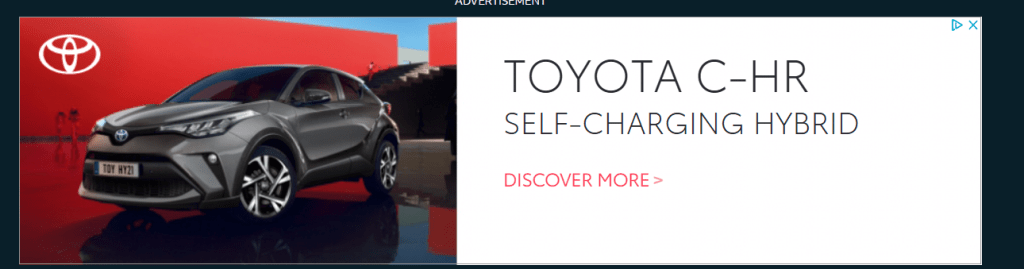
Self-charging
Perhaps the most classic example of confusing terminology is the phrase “self-charging hybrid” which has long been used in hybrid advertising. In 2019, this claim – made in a Toyota Lexus ad – was the subject of a complaint to the ad regulator, the ASA. Complainants argued that the claim “self-charging hybrid” is misleading, because it misrepresents the way in which the electric battery was recharged by using the petrol engine. The ASA ruled against the complaint, saying that the claim “self-charging hybrid” is not misleading.
The phrase now regularly appears in hybrid ads. Worth noting is that thanks to a similar complaint the claim was banned from ads in Norway.
End the confusion
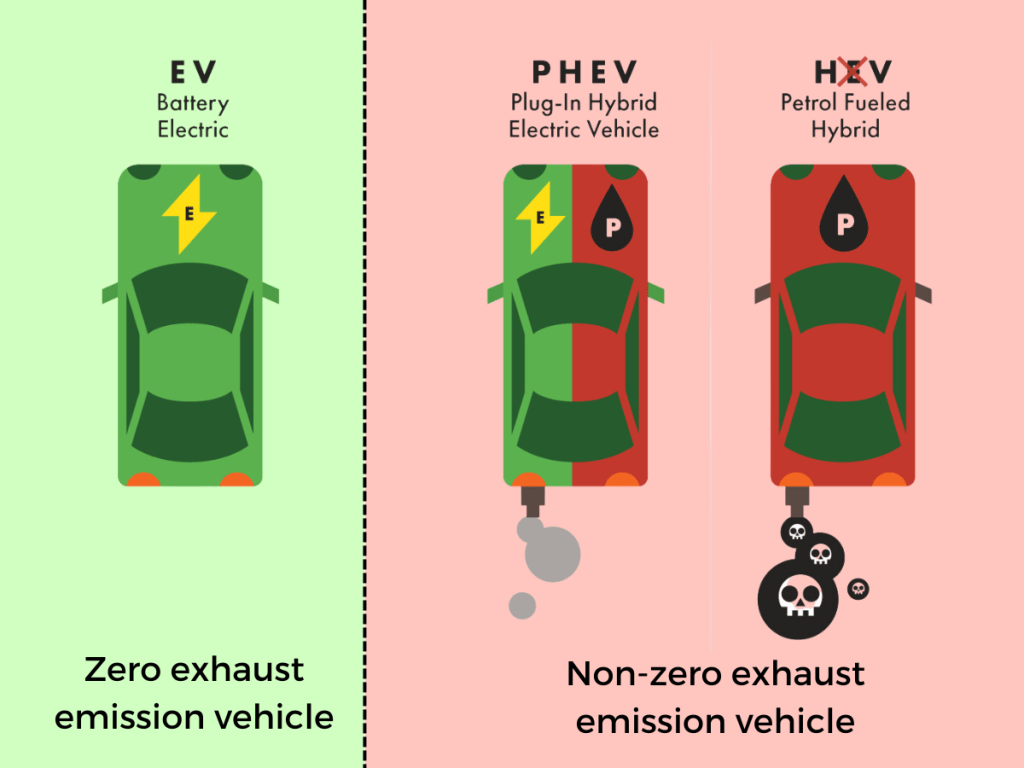
One simple way to end the confusion would be for car ads to distinguish between zero exhaust emission vehicles – which includes battery EVs – and non zero exhaust emission vehicles – which includes hybrids and petrol and diesel cars.
Unfortunately, the ASA has historically clamped down on “zero emission” claims, on the grounds that all vehicles produce some emissions (battery EVs produce particulate emissions from their tyres, for instance).
There is truth in this, but the ASA could be more helpful in suggesting an alternative phrase that carmakers could use to distinguish between EVs and petrol or diesel powered vehicles including hybrids.
Promoting hybrids
In this category are ads that present hybrids (which don’t require external charging) as preferable to cars that do require charging, such as battery EVs.
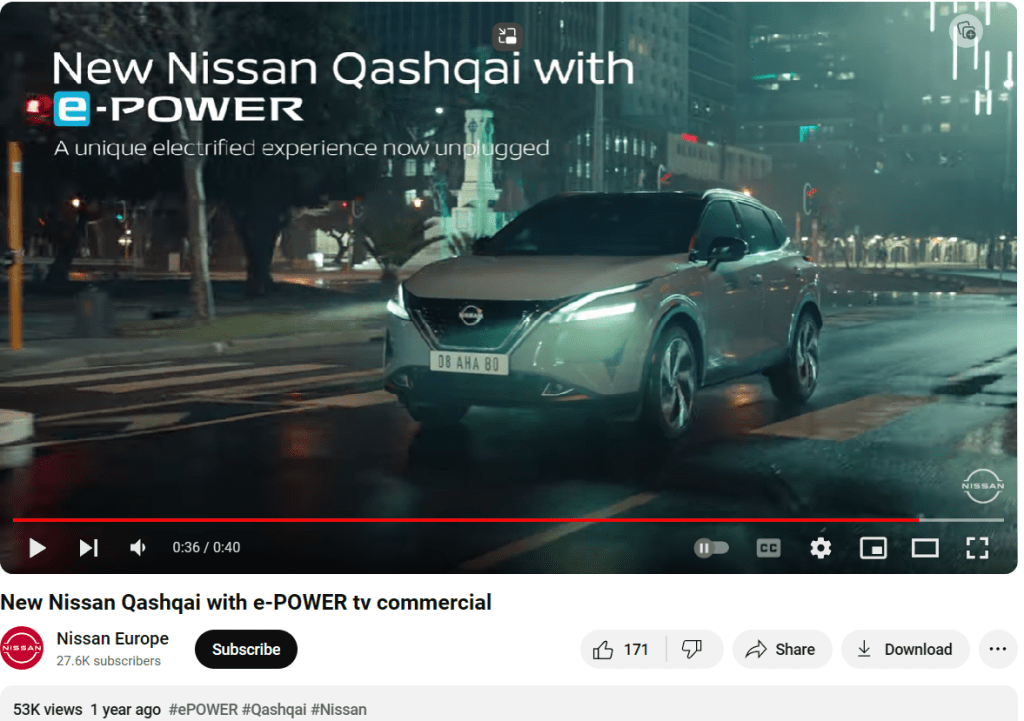
An ad for the Nissan X-Trail asks “who said adventure needs time to recharge?” whilst A YouTube ad for the Nissan Qashqai promises the buyer an “unplugged” experience with “No need to charge”.
The problem here is that hybrids in general provide much worse emissions savings across their lifetime compared to battery EVs. Research by the ICCT found that across the EU and UK, lifecycle emissions for full hybrids are on average just 20% lower than comparable petrol and diesel vehicles and for Plug-in hybrids an average of 25-31% lower.
In contrast, lifecycle emissions for battery EVs are 63-69% less than comparable petrol and diesel vehicles, rising to 76-81% reduction when renewable energy is used to charge the battery.
Omitting emissions information
Carmakers are amongst the most polluting companies in the world. In fact, the emissions from Toyota are higher than those from oil giant BP.
In June 2023, the ASA upheld a complaint against Shell UK Ltd over a series of adverts prompting Shell’s renewable energy activities that failed to mention how these comprise a miniscule proportion of Shell’s total capital expenditure whilst the vast majority is spent on large-scale oil and gas investment and extraction.
It’s time for carmakers to be held to the same standard. Car ads, especially for fossil-fueled vehicles like hybrids, should not paint a rosy picture of the carmaker as driving towards a green future. Instead, they should be qualified with accurate information about the carmakers’ total emissions and the journey they are on towards net zero.
This online ad for Toyota showcases the company’s electric and hybrid vehicles with a voiceover making claims about ‘smart solutions’ and ‘a better tomorrow’. The overall effect is of a brand advert for Toyota as a forward-looking company committed to a ‘better tomorrow”.
However, beyond Toyota’s vast emissions, the carmaker has for years dragged its feet on electrification. In 2022, just 0.42% of Toyota’s total global sales were zero emission vehicles whilst 70.4% were traditional petrol and diesel cars. Of the company’s electric and hybrid vehicle sales, 98.6% were hybrids. In 2023, Toyota was ranked bottom in a global scale of carmakers based on zero-emission vehicle action and preparedness.

 ElectriLIED